
Story-driven games for learning and social-emotional growth
Berlings Beard brings live, facilitated tabletop-style games into classrooms, libraries, and youth programs to help students practice collaboration, communication, and creative problem-solving in a safe, engaging space.
Designed for classrooms, libraries,
and youth programs
Our education programs are built for educators and staff who want a structured, playful way to help students connect and grow.
Classrooms
Teachers and counselors looking to add interactive, common-core based sessions to their curriculum.
Libraries
Both school and public libraries running clubs, workshops, or special events.
Enrichment Programs
Afterschool and weekend enrichment programs that need engaging, repeatable activities.
Camps
Counselors and Specialists working with summer programs that want story-focused activities with clear learning outcomes.
Youth Groups
Mental health and child-care counselors seeking safe, collaborative experiences for participants in their youth.
Community Programs
Organizers seeking safe, collaborative experiences for mixed-age participants.
What students gain from story-driven games
Our sessions feel like play, but they are carefully designed to support key social-emotional and academic skills.
We can align sessions with your SEL priorities
and age-specific learning goals.
Flexible formats for schools and libraries
Choose a format that fits your schedule and goals.
If you are not sure, we’ll help you pick the right structure.
One-Time Story
A stand alone experience to introduce students to collaborative play and shared problem-solving.
Short Series
A multi-session arc where students return to the same world and characters, allowing skills and group dynamics to deepen over time.
Speak with us about program options
What we provide and how it works
We aim to make it easy for you to bring these sessions
into your setting with minimal extra work for your staff.
What we cover
Design age-appropriate adventures aligned with your goals
Provide a trained facilitator / game master to run each session
Prepare all narrative materials, character sheets, and prompts
Guide students through the rules in plain, accessible language
Manage pacing, student engagement, and group safety within the game
What we need from you
Share your context, age ranges, and any guidelines or goals
Provide a suitable space (tables, seating) and basic materials (if needed)
Be present or designate staff according to your policies
Let us know about any access needs, sensitivities, or safety tools
Sample education-focused adventures
Every program is tailored, but here are a few examples of how we frame adventures for students.
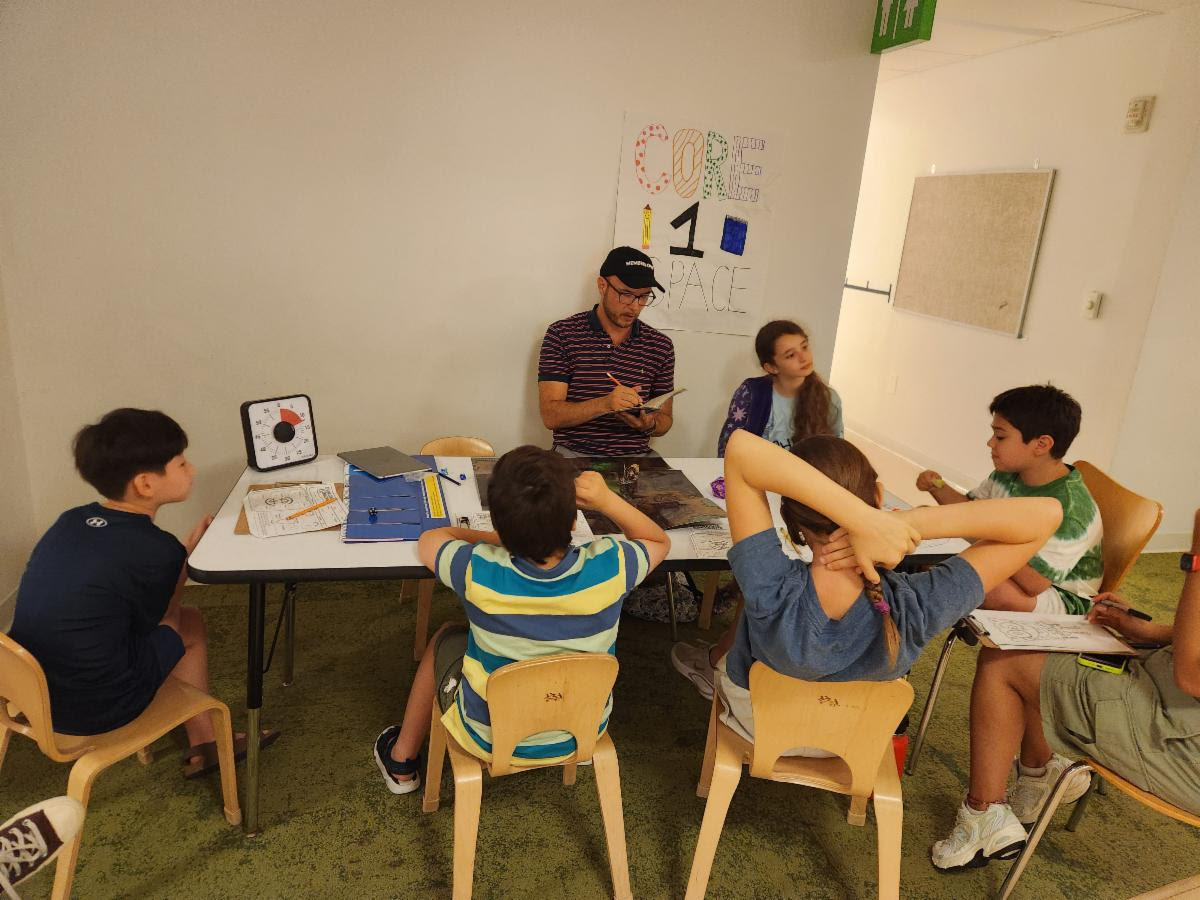
The Council
of Young Heroes
Students take on the roles of young heroes tasked with solving a problem in their community, practicing turn-taking, collaboration, and perspective taking.
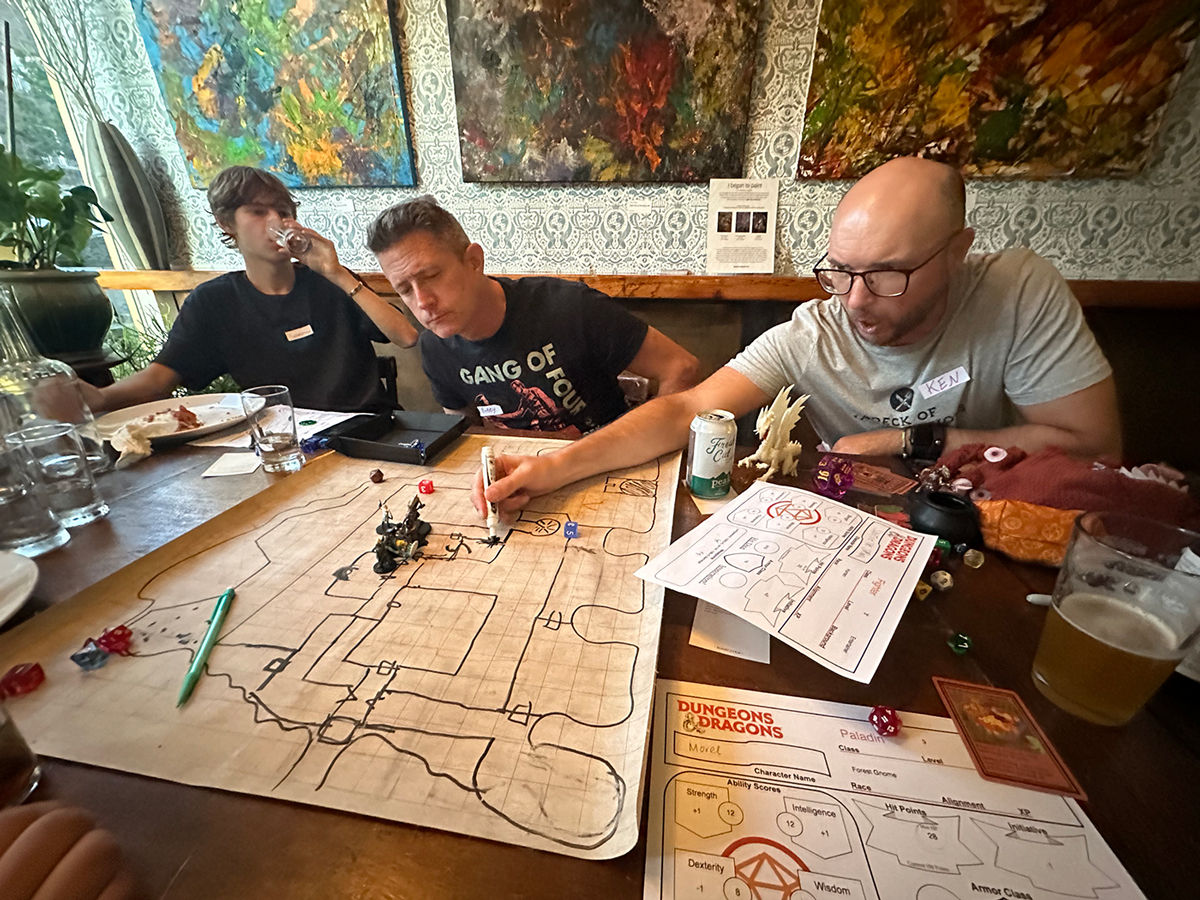
The Library
of Lost Stories
A narrative puzzle where students work together to restore missing pieces of stories, encouraging critical thinking, communication, and creative problem-solving.
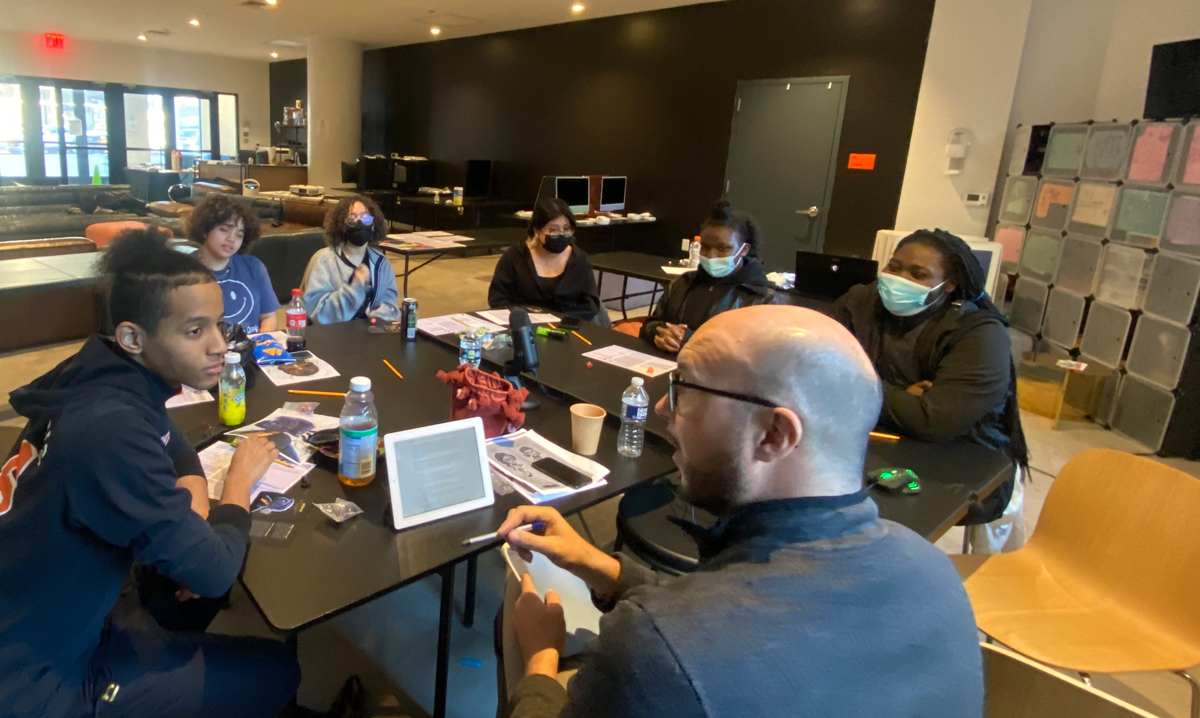
The
Negotiators
Students roleplay representatives from different factions who must negotiate a peaceful resolution to a conflict, practicing active listening, compromise, and clear communication.
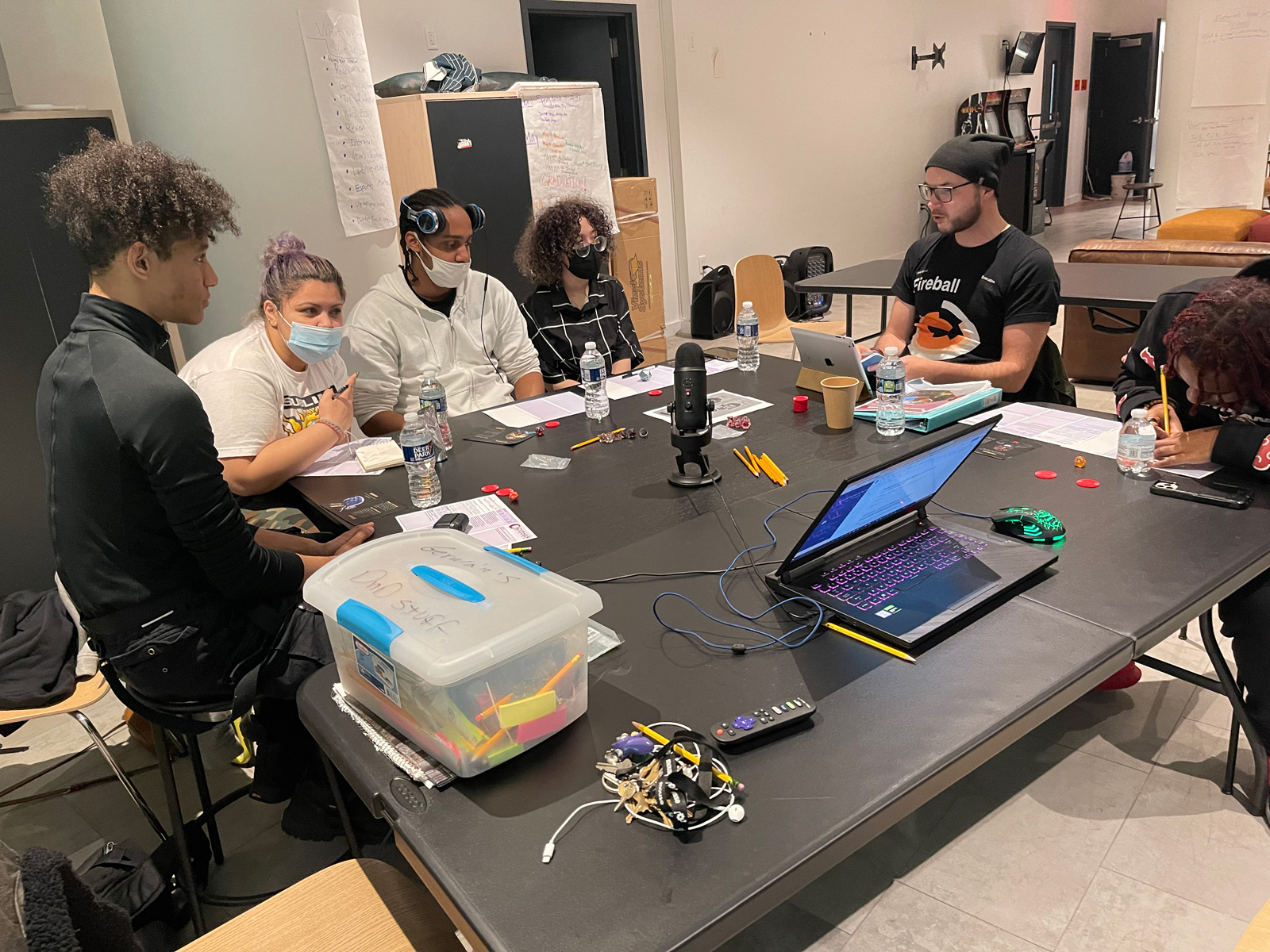
What it looks like in your setting
Here’s a snapshot of how story-driven games have worked in real schools and libraries.
Questions from
educators and librarians
Before you bring something new into your classroom or program, you need clarity. Here are answers to some of the most common questions we receive about education sessions.
Ready to explore games for your students or patrons?
Tell us about your setting, age ranges, and goals.
We’ll suggest session formats, themes, and a plan that fits your schedule and resources.